The Sea Keeps Secrets
Five acts of love aboard the yachts of Phuket
On the Andaman, a first date, a proposal and a wedding all begin the same way: the land falls behind, and two people discover what they actually want to say.
By Solomon Goodman
Prologue: The Last Rope
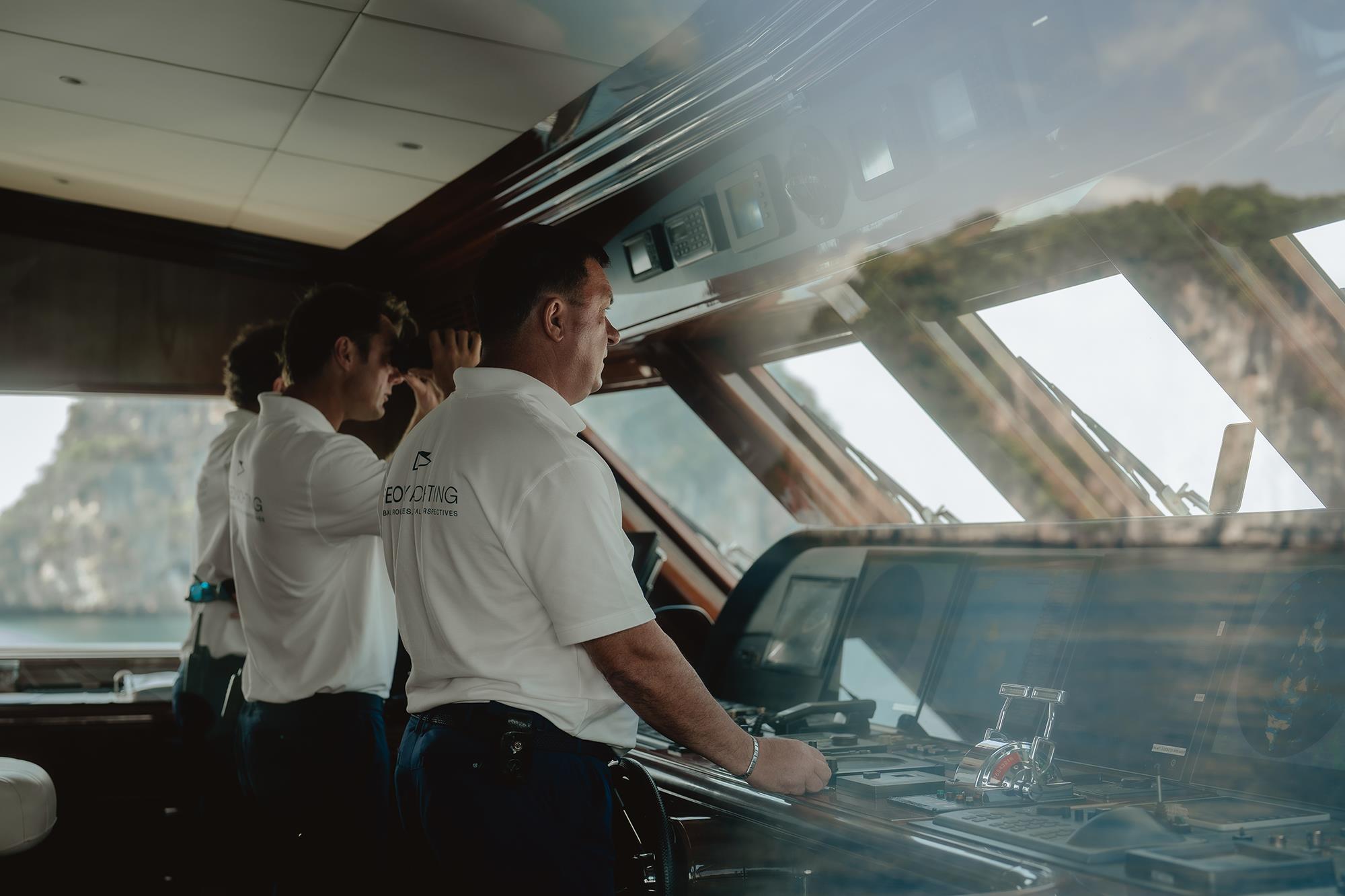
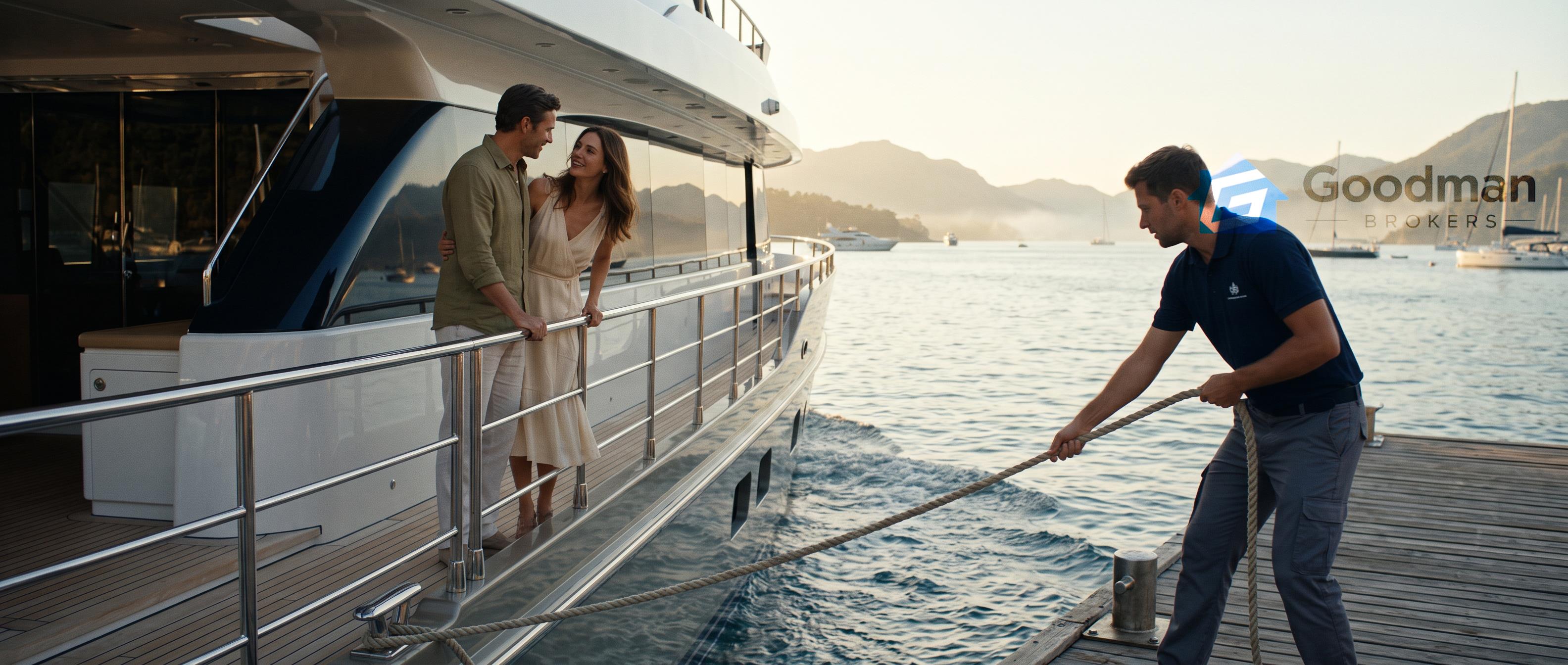
The crew member lifts the last rope from the pier with the unhurried care of someone who has done it a thousand times. The engine murmurs. The dock slides away, then the beach, then the long green back of the island. Somewhere between the second and third minute, something shifts on the deck.
It is hard to name. Phones go quiet, not because anyone has asked, but because there is suddenly something better to look at. Shoulders drop. A laugh comes out a little louder than intended. Two people who arrived talking about traffic and hotel check-ins are standing at the rail, saying nothing, and for once the silence is not awkward.
Shakespeare understood this trick better than anyone. He rarely set his lovers in a drawing room. He sent them into a forest at midnight, onto a stormy island, to a balcony under the moon. Take people out of their ordinary world and they become braver, funnier, more honest, and sometimes more foolish. The theatre calls it a stage. The sailor calls it open water.
This is a story about that stage, and about the many shapes it takes. For some couples it is a wooden boat with a crew of three. For others it is a vessel the length of a city block, the kind that fills the pages of the world’s great yachting magazines. The scale changes. The effect does not. Off the coast of Phuket, the Andaman Sea has room for all of it.
Here is the play, in five acts.
The Stage: One Sea, Many Vessels
Before the first act begins, a word about the theatre itself. A good love story needs the right stage, and the Phuket fleet is built to offer one for every kind of story.
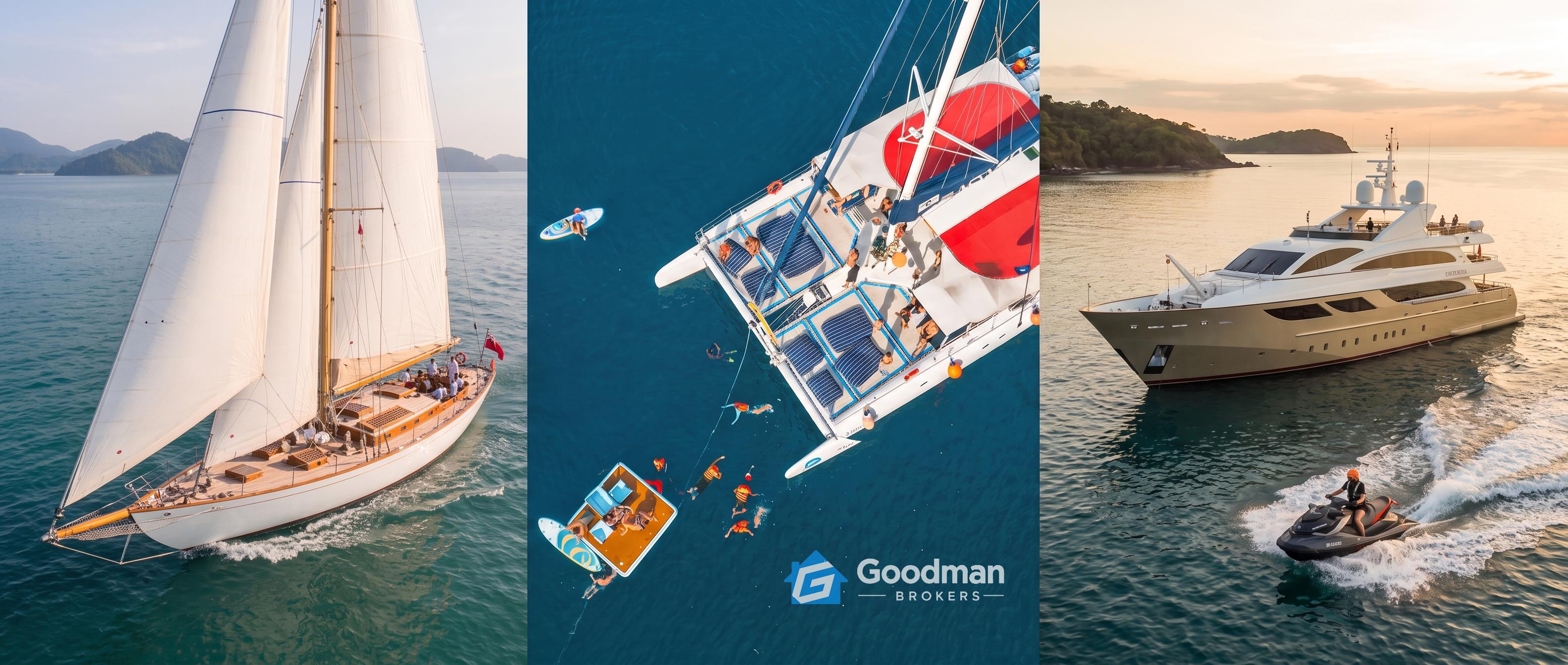
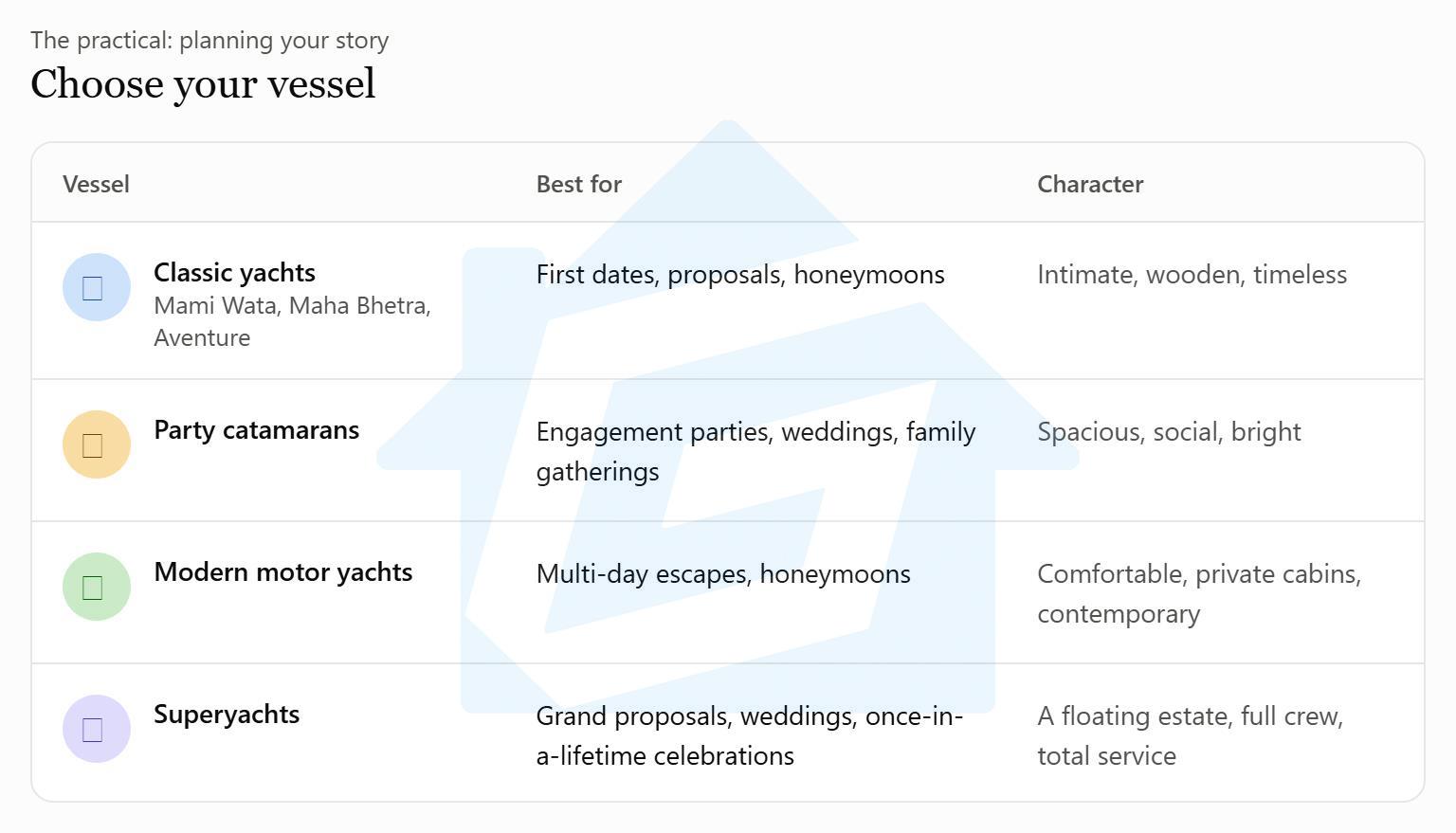
The classics. At the intimate end are the wooden and sailing yachts, among them Mami Wata, Maha Bhetra and Aventure. These are boats with character: warm teak underfoot, rigging that creaks gently at anchor, a scale that keeps two people close without ever feeling cramped. A small crew, a long table, a single bed of cushions at the bow. They suit the first date, the quiet proposal, the honeymoon in which nobody else is invited. Their charm is that of a handwritten letter.
The party catamarans. At the other end of the scale are the wide, bright catamarans, with their broad decks, shaded lounges and sea platforms for swimming. They are made for the second half of the story, when love wants witnesses: the engagement party with forty relatives, the wedding with the whole family aboard. A catamaran gives a celebration room to breathe and a crowd room to dance.
The modern motor yachts. Between the two sit the sleek, contemporary yachts with air-conditioned salons, sun decks, private cabins and fully equipped galleys, ideal for couples who want the romance of the sea with every comfort of a boutique hotel. They are the choice for multi-day escapes, for honeymoons that stretch across several islands, and for guests who like their sunsets served with a chilled glass and a view from a master suite.
The superyachts. And at the very top of the range are the vessels of another order entirely: the superyachts of the kind that appear on the covers of Boat International and in the features of Robb Report and Forbes. Here the stage is a floating estate. There are multiple decks, a crew in the dozens, a private chef’s galley, a beach club at the stern, a helipad or tender garage, and a level of service that anticipates a wish before it is spoken. For a proposal that must be remembered by an entire family, for a wedding that must feel like a royal occasion, or for a honeymoon that is meant to be told as legend, this is the stage.
Act I: The First Date... In which two people try very hard to seem relaxed.
Every first date is a small piece of theatre. Both actors have rehearsed. Both are nervous. The only question is whether the setting will help or hinder.
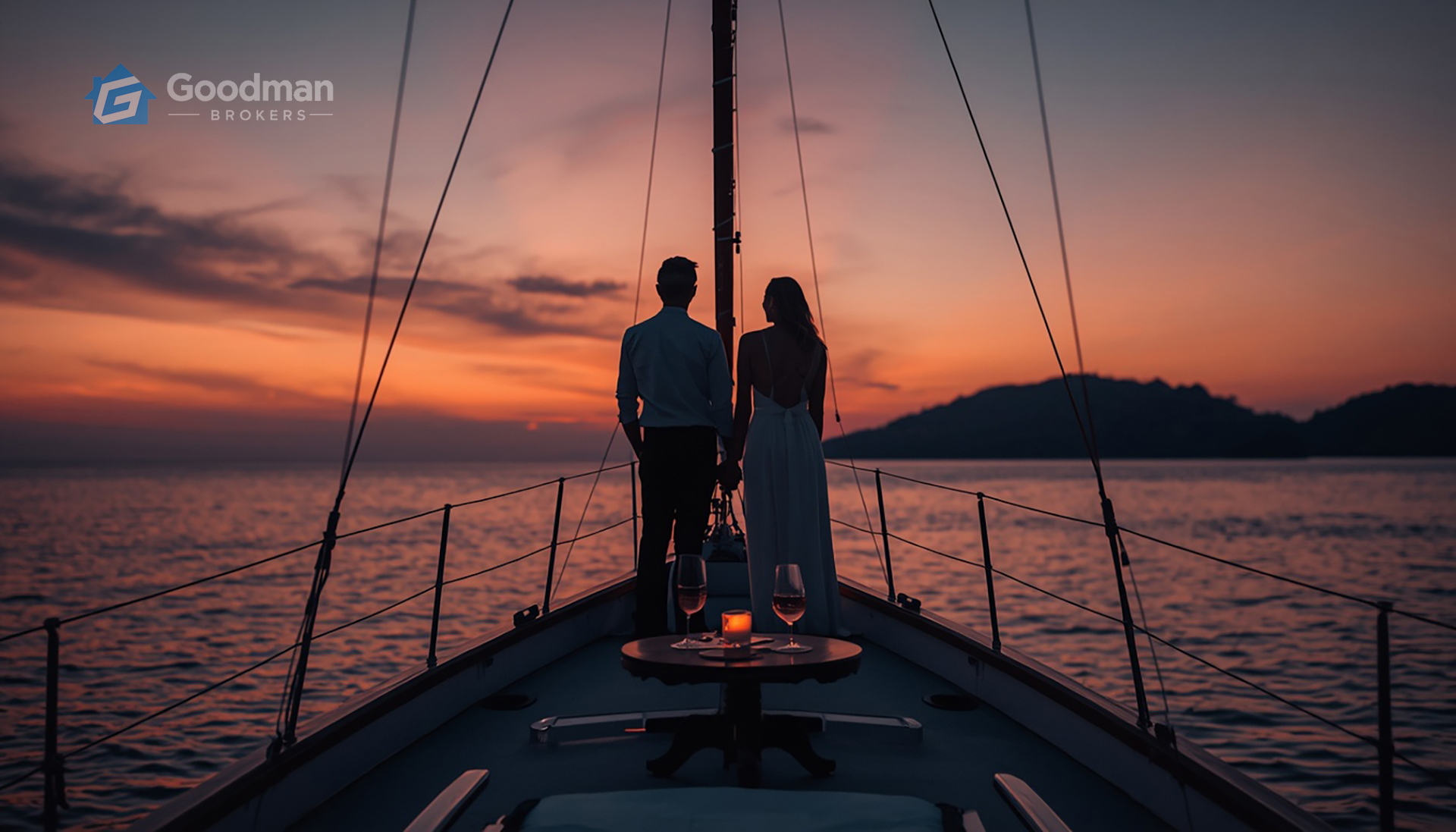
Most settings hinder. A restaurant puts a table between you, a waiter interrupts at the worst moment, and the conversation must compete with the noise of other people’s evenings. On a yacht at sunset, the competition disappears. There is nobody at the next table. There is the sea turning from silver to copper, a headland darkening against the sky, and a small table set at the bow with something cold in the glasses.
The genius of the sunset cruise is that it solves the hardest problem of a first date: what to do with the silence. On land, a pause feels like failure. At sea, a pause is simply the sunset. You look at the horizon together, and in that shared looking something happens that no clever opening line can manufacture. You are, quite literally, facing the same direction.
For this chapter, the classic yacht is the natural choice. Polished wood, a handful of cushions at the bow, and a crew who understand the choreography of the moment. They bring the next glass before you notice the last is empty. They disappear when the conversation deepens. Good service at sea is a form of tact, and the best crews practise it like an art.
A note for those who prefer a grander opening: a sunset cruise aboard a larger yacht offers the same magic with a different texture. A deck lounge, a private bar, a sundeck with room to walk and talk. First dates need not be small. They need only be unhurried.
Act II: Growing Feelings... In which the plot thickens, and so does the water.
Something happens on the second or third outing. The performance drops away. Nobody is trying to impress anyone anymore, because the sea has a way of taking the polish off.
A full day aboard looks different from an evening. The yacht leaves the busy waters behind and slips toward coves where the only other sound is water against rock. The anchor goes down. Somebody dives in first, and the other follows, laughing, hair ruined, the careful composure of the first date long gone. Lunch is long and unscheduled. There is salt on skin and sun on shoulders, and a drowsy afternoon on deck with a book neither of you reads.
This is the chapter in which couples discover each other. Who stays calm when the swell picks up? Who is delighted by a small fish? Who falls asleep in the sun with a hand trailing on the cushion? Dating apps cannot answer these questions. A day at sea answers all of them.
There is also the particular intimacy of shared isolation. On a private yacht the world shrinks to the length of a deck. There is nowhere to go, and nowhere you would rather be. People say things in these hours that they would not say across a city table. They talk about childhood, about fear, about what they actually want from the next ten years.
For couples who want to deepen the story over several days, a motor yacht with private cabins turns the cruise into a journey: a different cove each morning, a different sunset each evening, and the slow, delicious discovery that you do not want it to end.

Act III: The Question... In which a heart beats loud enough for the whole sea to hear.
Every great love story builds toward a single moment. In the theatre it is the turning point, the scene when everything changes and nobody in the audience breathes.
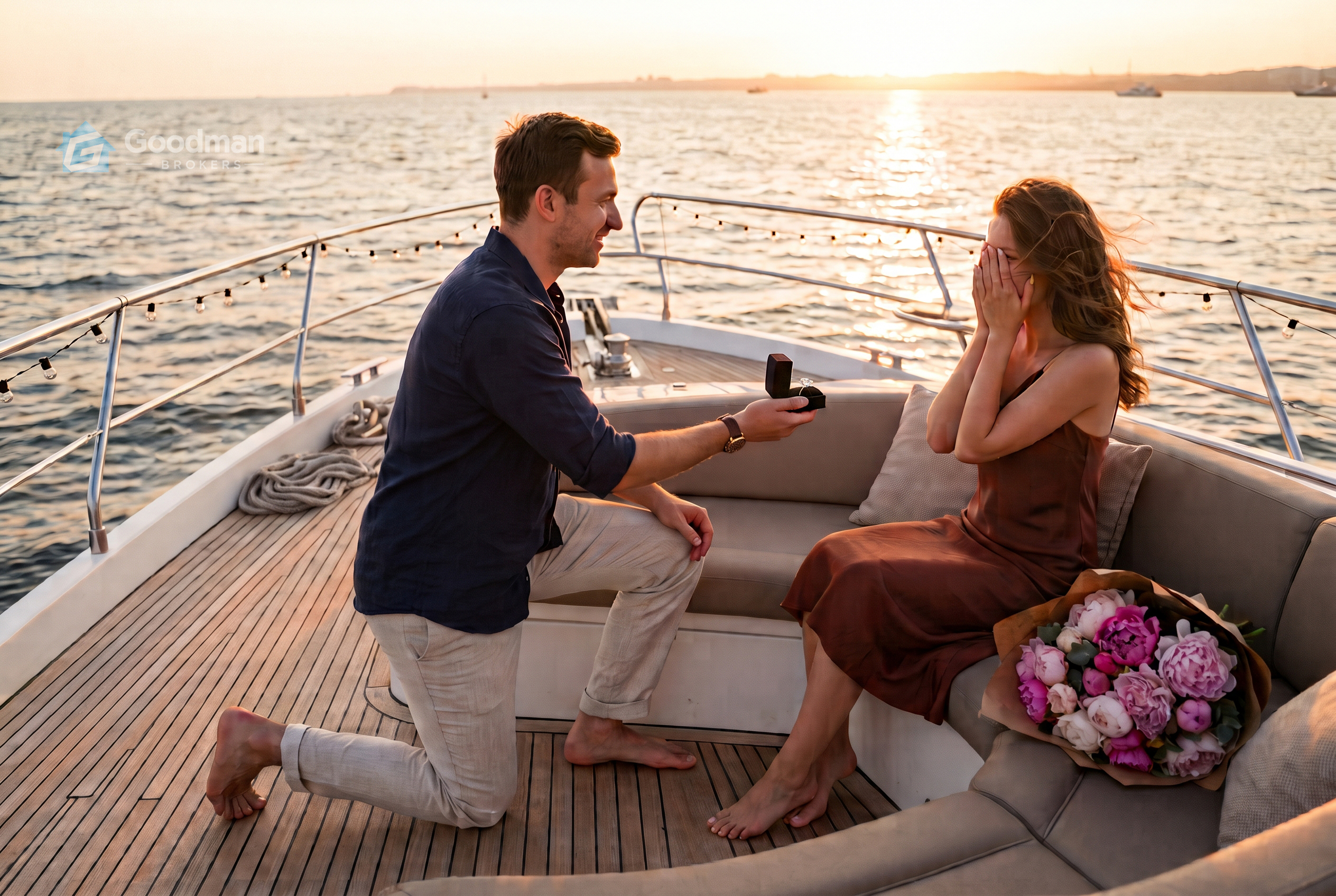
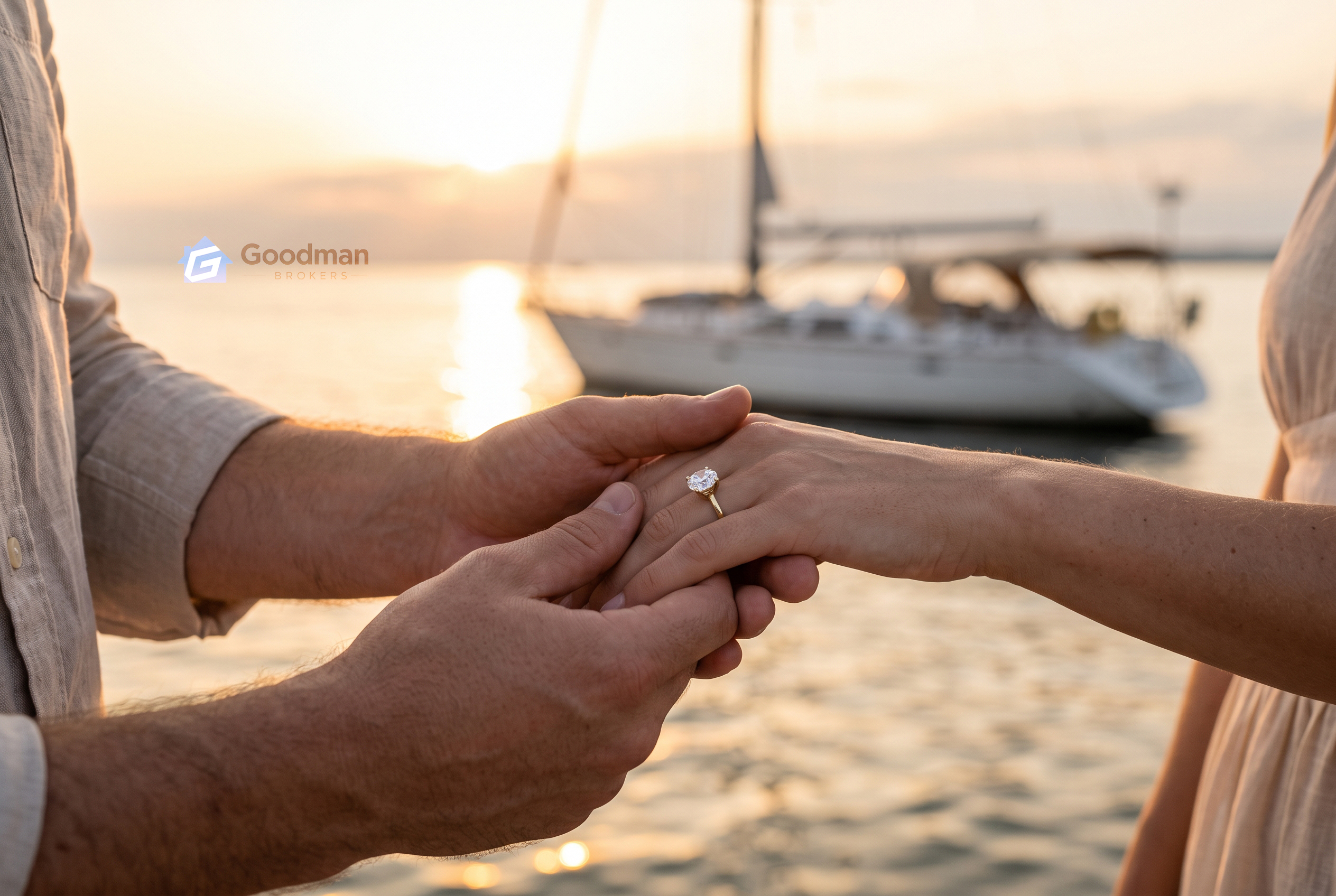
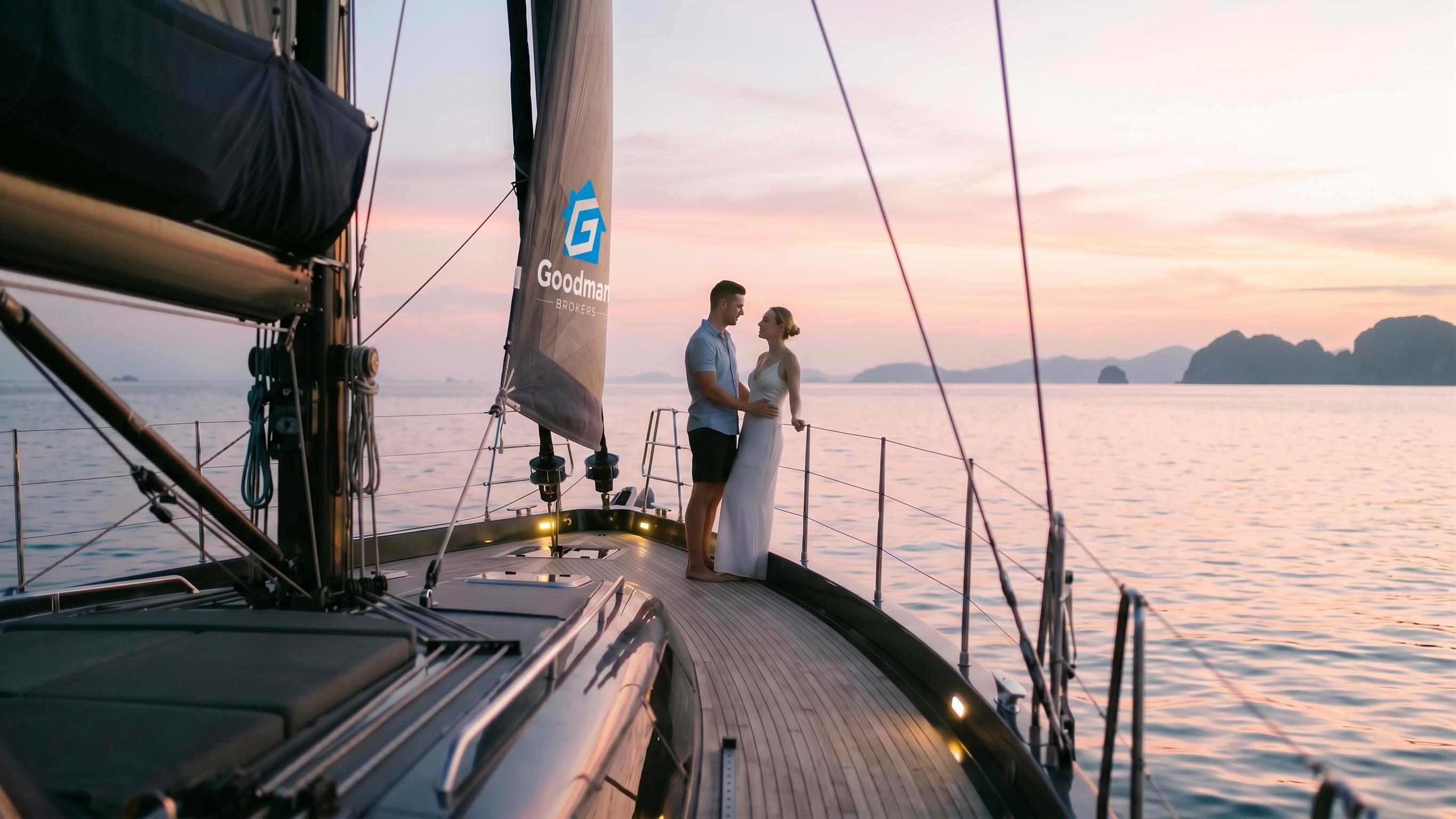
On a yacht, that moment has a time and a place: golden hour, when the light turns the sea to liquid brass and the sky to a slow blush. It is no accident that so many proposals happen then. The light flatters everyone. The world seems briefly suspended. And the person holding the ring has the best possible backdrop for the most frightening question of their life.
What the couple never sees is the quiet machinery behind it. The flowers placed while they were swimming. The music queued softly, ready for the right second. The photographer, positioned at a respectful distance, ready to catch the first breath after the question and the half second before the answer. The crew who tidy and withdraw with perfect discretion, so that the moment belongs only to two people.
A proposal is the one performance that cannot be rehearsed twice. That is why the support behind it has to be flawless, and why it has to be invisible. The ideal outcome is that the person asking thinks only about the question, and the person answering thinks only about the answer. Everything else has been taken care of.
The scale of the stage can be chosen to suit the story. On a classic yacht, a proposal is a whisper: two people, one candle, the whole sea listening. On a superyacht, it can be an event: a private chef’s dinner on the upper deck, a string quartet around the corner, a carpet of petals leading to the bow, and a family hidden below deck, ready to appear with champagne the second the answer is “yes.” Both are perfect. The difference is only in how loudly you wish to tell the world.
Act IV: The Celebration... In which everyone arrives, and the stage grows larger.
Love, once declared, wants witnesses. This is the act of laughter, noise and glasses raised.
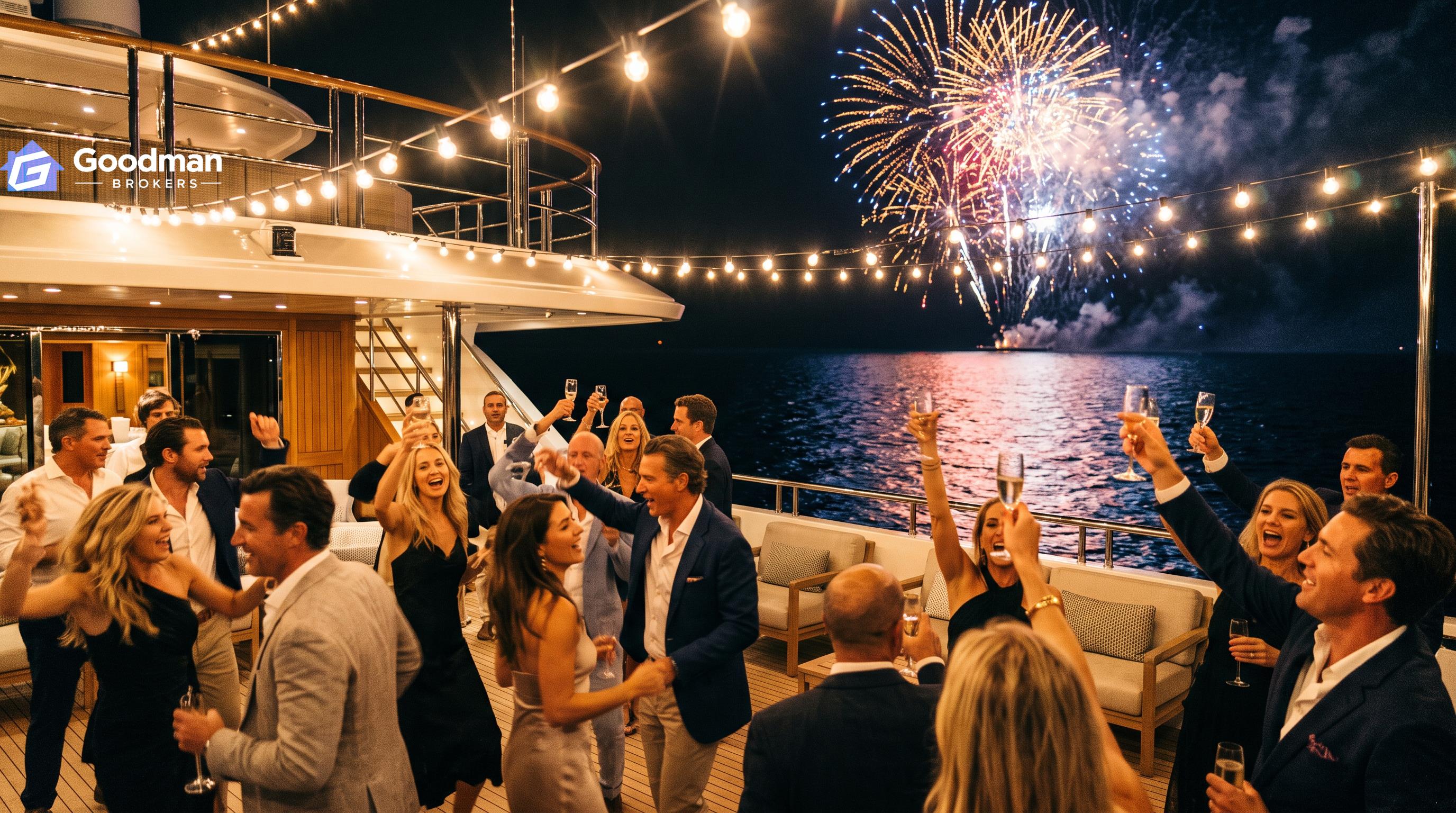
For the engagement party, the party catamarans come into their own. Wide decks, shaded lounges, a sea platform from which guests can swim, and room for family and friends to spread out and mingle. Grandparents sit in the shade while cousins dive from the stern. Someone proposes a toast, and then somebody else does, and soon the deck is a small floating village of people who love the same two people.
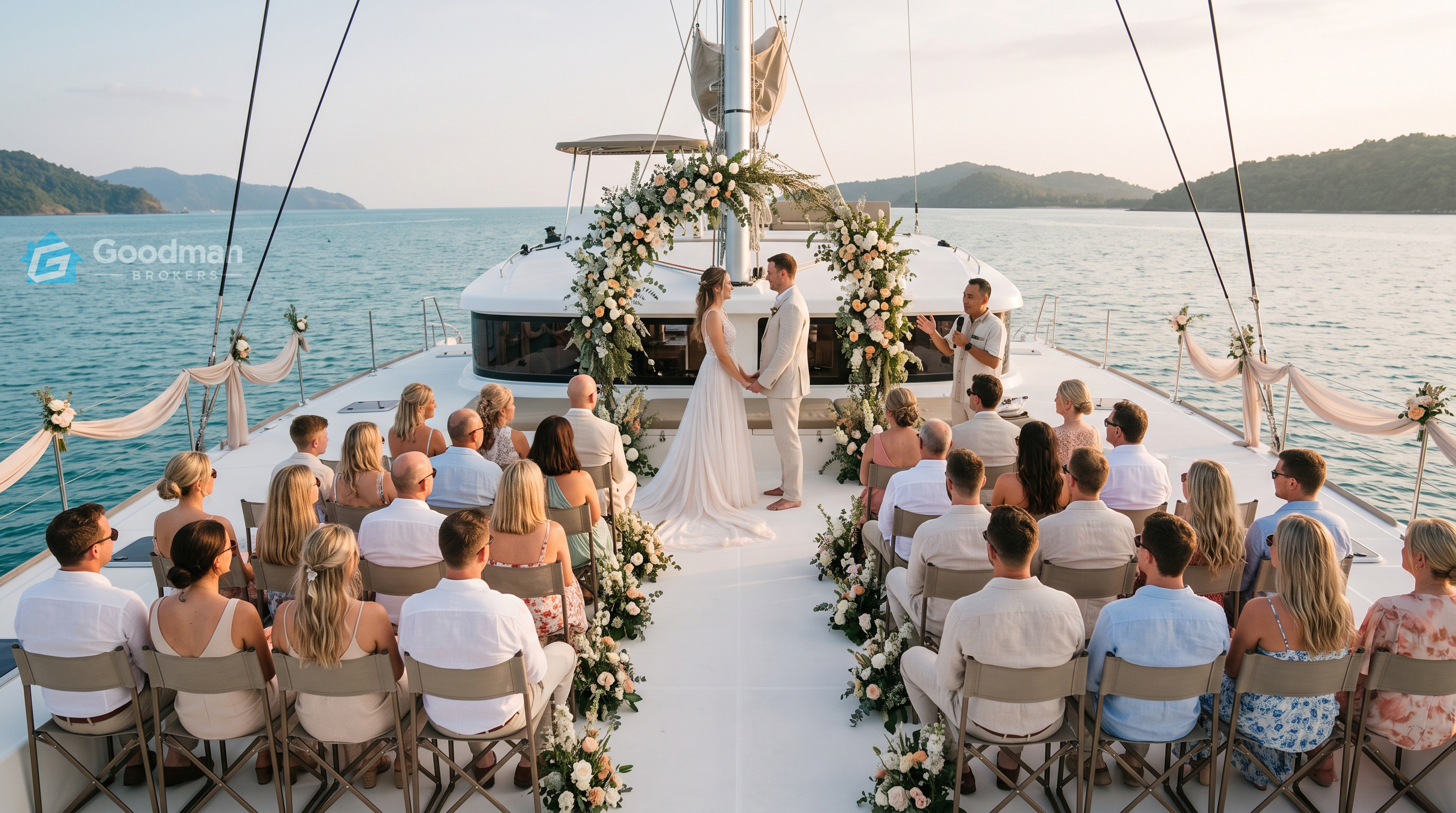
Then comes the wedding itself. Ceremonies at sea can host up to fifty guests, and there is a particular poetry to vows spoken with the horizon at your back. There are no walls to contain the emotion, so it simply spreads outward across the water. Guests who rarely cry find themselves undone. The ceremony is brief, the sea is vast, and everyone on board understands they are watching something remarkable.
The celebration can honour heritage as well as romance. Pre-wedding traditions, blessings and family rituals translate beautifully to the water, offering a gentler setting for ceremonies that are often hurried and crowded on land.
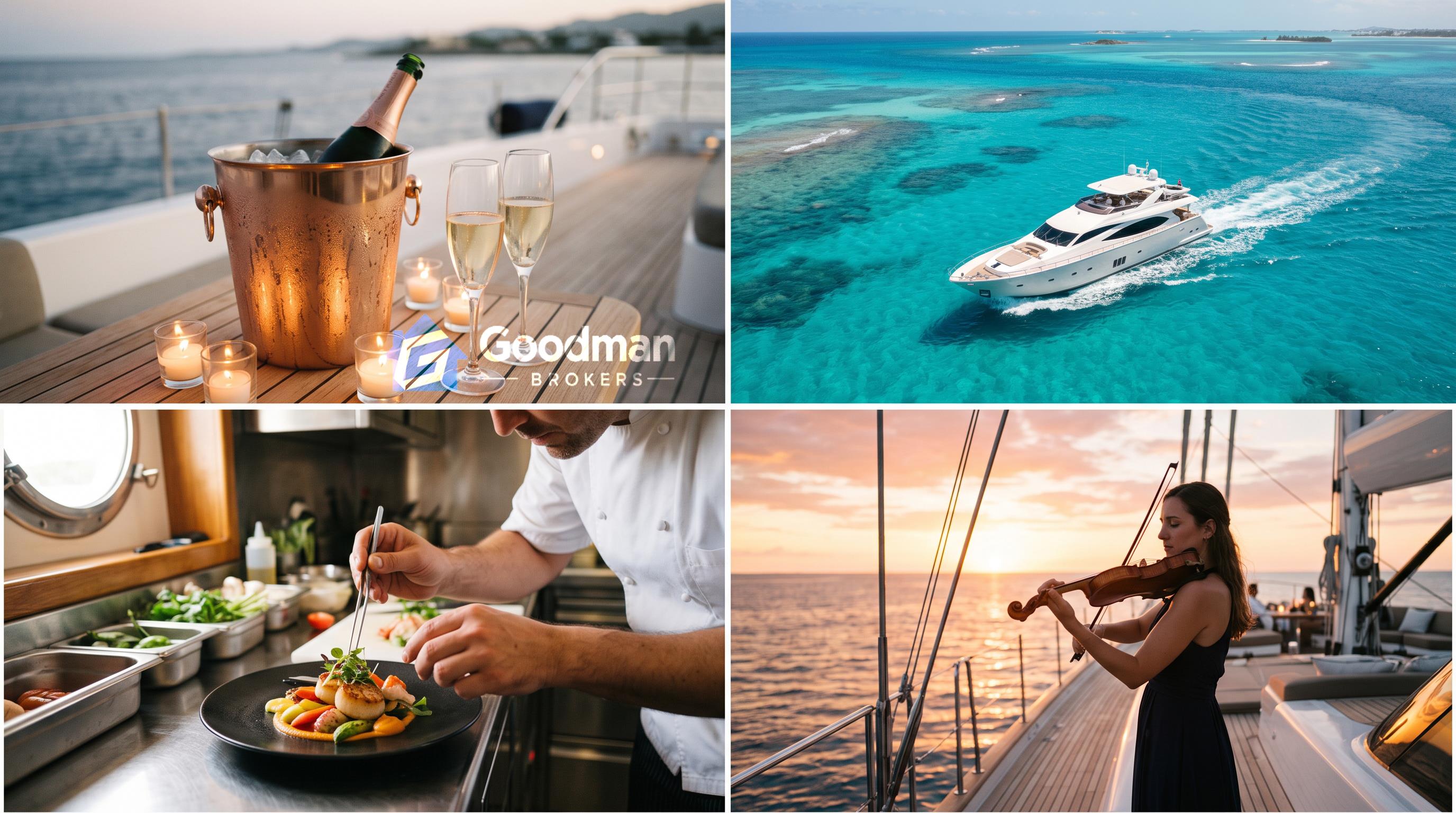
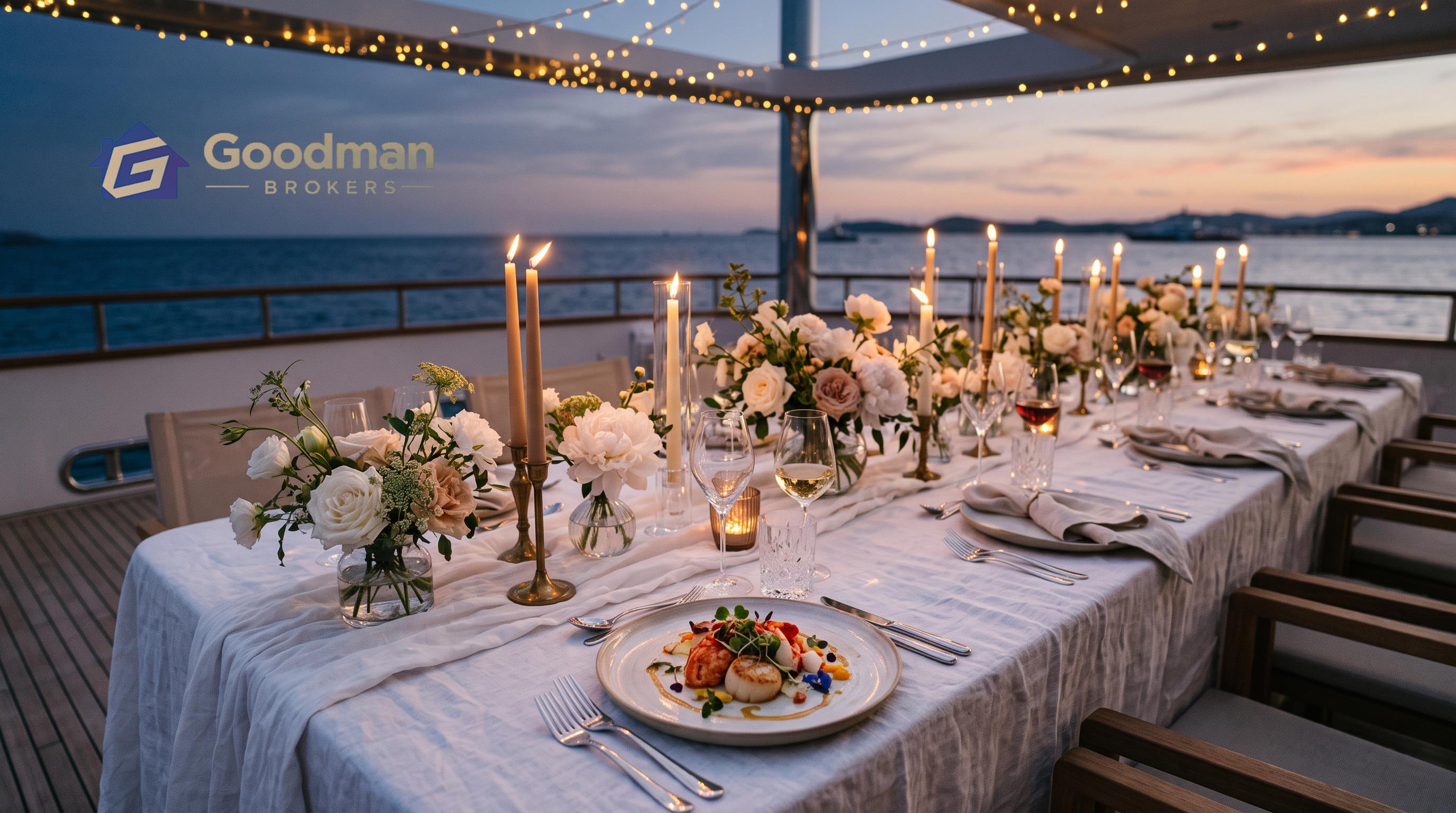
And the details make the evening. Candlelight along the deck. A long table dressed in white linen and loose garden flowers. A chef who cooks for the occasion rather than from a standard menu, recreating a grandmother’s dish or inventing a tasting menu around a couple’s story. Live music that moves from soft acoustic at dusk to something more danceable after dark. A photographer and film team who tell the day as a story: cinematic frames, polaroids passed around the table, aerial drone footage that reveals the yacht as a small bright jewel on a dark sea, all edited into a highlight film the couple can watch for decades. Many couples then close the evening with fireworks over the water, though these depend on local permits and regulations and should be arranged well in advance.
On a superyacht, the celebration becomes something else entirely. Multiple decks allow multiple moods: a ceremony on the sun deck, a dinner in the main salon, dancing on the upper deck beneath the stars, a quiet lounge for the older guests, a beach club for the young. It is the closest thing the sea offers to a private palace.
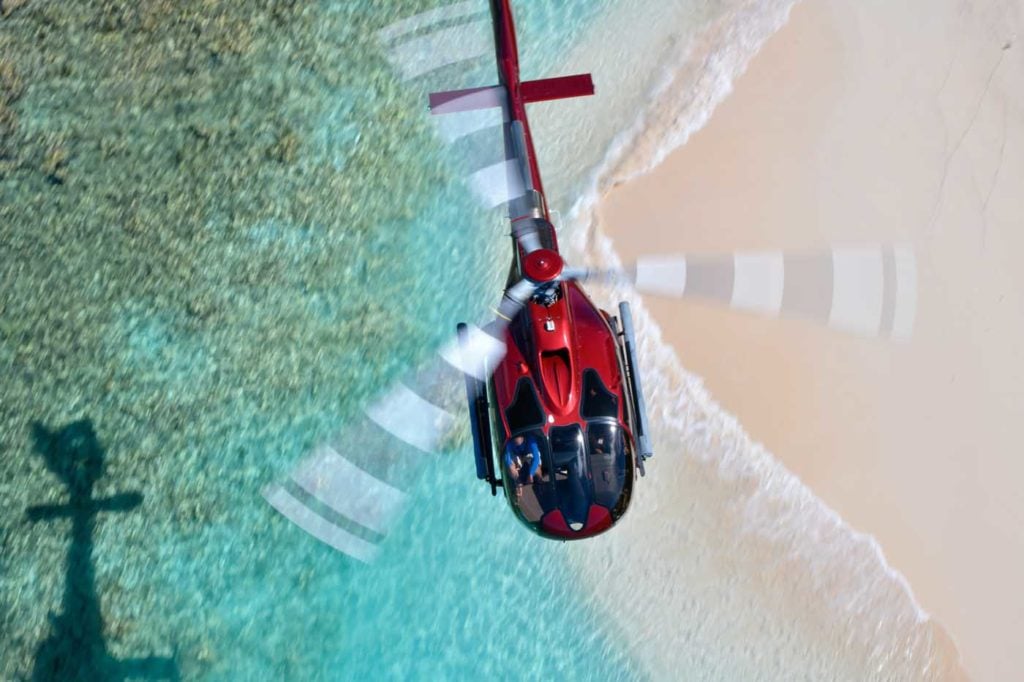
And then the honeymoon: private island escapes where two people who have spent a year planning for everyone else finally have time to belong only to each other.
Act V: The Return... In which the sea remembers.
The best stories do not end at the wedding. They have a final act, quieter and perhaps the truest.
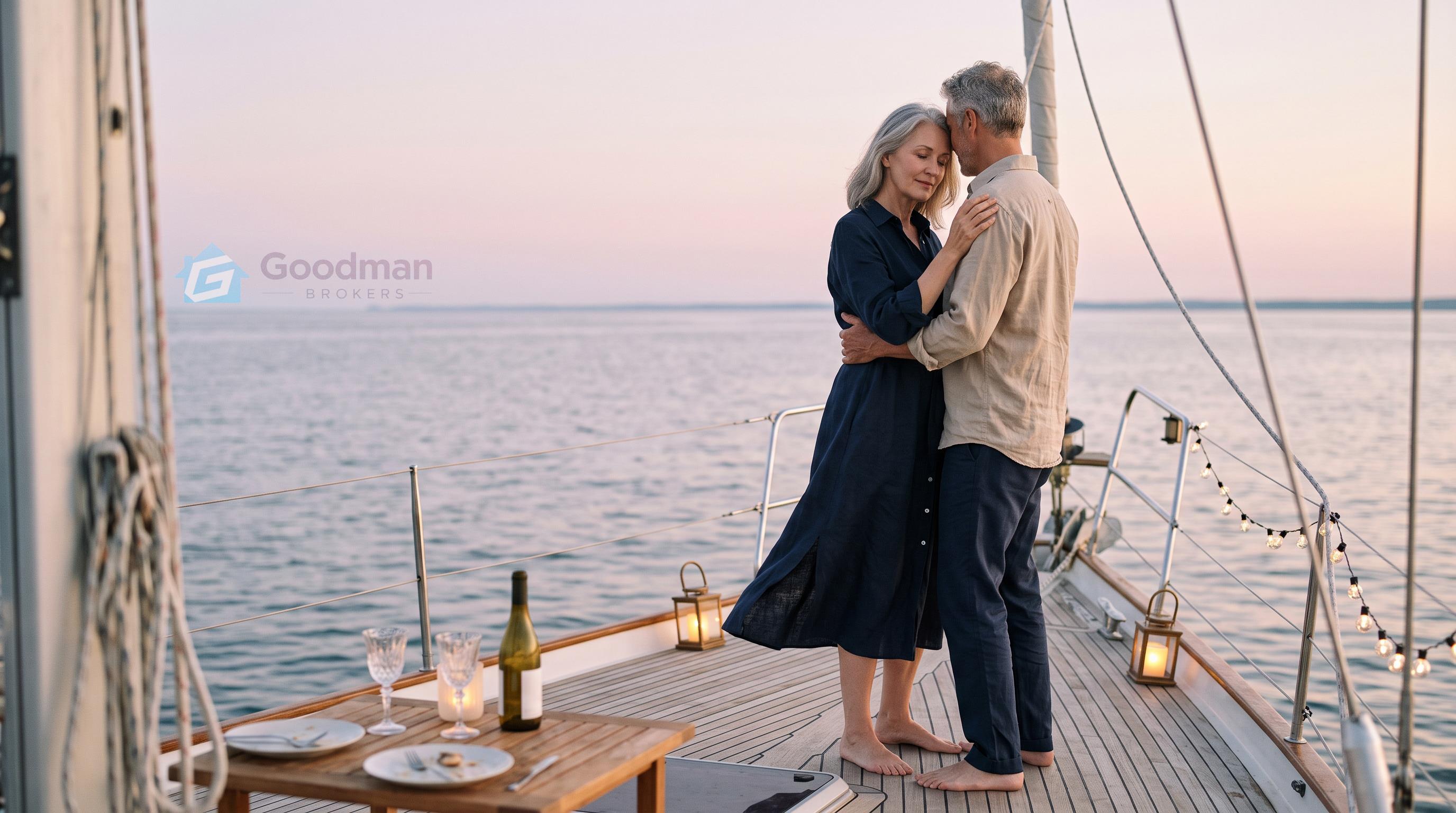
A year later, a couple come back. Same sea. Same deck, perhaps even the same yacht. But they are different people now: a little more tired, a little wiser, a great deal more certain. They do not need a grand performance. They need the sunset, the table at the bow, and the particular peace of returning to the place where the story changed.
The anniversary cruise is perhaps the most moving of all the experiences, because it carries no suspense. The question has been asked. The vows have been made. What remains is the thing all the earlier acts were building toward: two people who have chosen each other, choosing each other again, on the water where it began.
Some couples return to the same yacht every year, and the crew come to know them like old friends. Some move up in scale as the years go by, from the small wooden boat of the first date to the grander vessel of a silver anniversary. Some come back with children, and a new chapter begins. The yacht changes. The sea remains.
Epilogue: Why the Sea?
It is worth asking why so many love stories seem to belong to the sea. Part of it is beauty: the light, the colour, the scale. Part of it is isolation: the sense of being cut off from ordinary rules and ordinary obligations. But the deeper reason may be that the sea is honest. It reminds us that we are small, that time is short, and that the people beside us are the thing that matters.
That is the oldest lesson in Shakespeare’s plays, and the oldest reason to put two people on a boat and push away from the shore. Whether the boat is a wooden sloop or a superyacht with a crew of forty, the setting does the rest.
What can be arranged
- Hotel transfers by luxury van and speedboat
- Floral and candlelit décor styled to your story
- A private menu built around your tastes
- Photography, polaroids, aerial drone footage and an edited highlight film
- Live acoustic music, vocalists, DJs and dancers
- Fireworks over the water (permit-dependent)
How to begin
Share the occasion, the date and the details only you know: a favourite song, a shared joke, a flower she loves. A tailor-made proposal follows.